

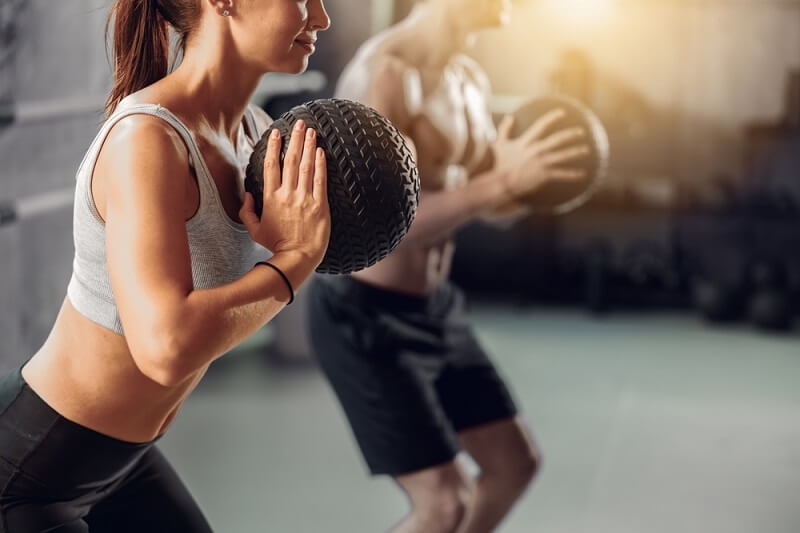
Functional fitness training isn’t about how you look in the mirror; it’s about how you function in the world—this type of exercise conditions your body for actual movement. Envision lifting a heavy box, tackling your kids, or trekking up the stairs with groceries—functional exercise will enable you to do these activities much more easily (and safely).
These are functional workout routines that mimic common short bursts of movement—squatting, lifting, pushing, pulling, and rotating—utilizing movements essential for daily life. These are the activities people do all the time without even thinking about it. By training these patterns, you will build a strong, confident, and capable body.
Functional fitness training supports strength that translates into real-life applications. What this really means is the body learns how to lift, bend, push, and move the way humans are meant to. Functional exercise utilizes motions commonly found in everyday activities. That’s why these workouts help everyday fitness more than routines focused only on isolated muscle parts.
Many folks struggle with tight hips, stiff backs, or weak balance. Functional movement training brings the body back to smoother, safer patterns. Simple actions, such as bending the knees correctly, keeping the core tight, or stepping with control, all build confidence. A functional workout often uses body weight, light weights, or simple tools. Each move supports practical fitness training that stays useful through life.
Functional exercise works best when it feels familiar. Movements copy real actions people already do. Let’s break it down.
If someone lifts groceries, climbs stairs, or picks up a child, they are essentially engaging in functional movement training. Adding structure to those patterns makes the body stronger.
Some strong examples of functional exercise include
These moves add stability and reduce the risk of accidentally damaging something. Every day, fitness grows when the body understands these motions. A functional workout that incorporates these motions can help individuals feel lighter, steadier, and more prepared for their daily tasks.
Functional fitness training shines when exercise teaches the body to work as one connected system.
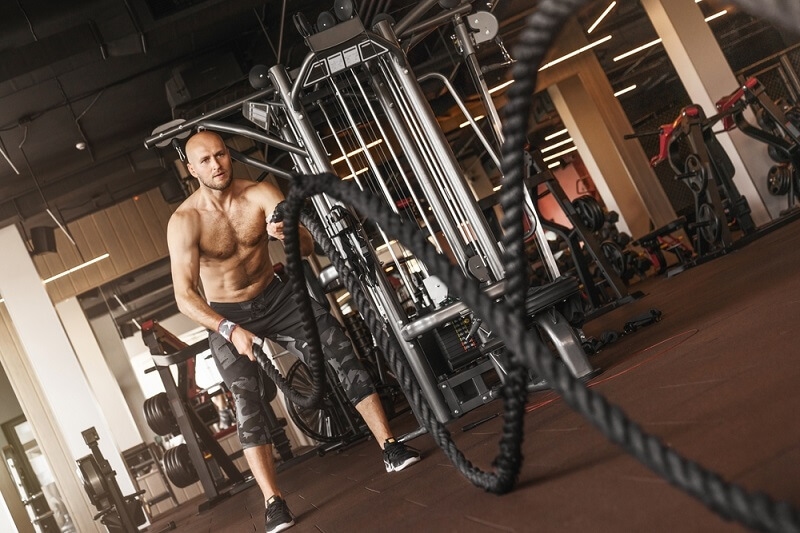
Functional movement training examines how the body moves through space. It checks posture, speed, balance, and coordination simultaneously. Healthy movement patterns protect the body. Simple shifts in how someone stands or turns can make a big difference.
Here’s the thing. Many people get strong in the gym but still struggle picking something off the floor. Functional movement training fixes that gap. It trains big motions that match life, not just gym rules.
Key parts of functional movement training include
Practical fitness training helps reconnect the brain and body. Every day, fitness becomes easier when each step, lift, or reach feels more natural. Movements become lighter and more relaxed once the body learns to move correctly.
Everyday fitness is easier to build than many folks think. A functional workout matches motions already used throughout the day. This helps the body perform everyday tasks with less strain. Functional fitness training teaches muscles to work together rather than independently.
What this really means is that strength spreads evenly. If someone carries a bag, reaches up high, or lowers to the ground, the whole body supports the move. That’s the kind of balance everyday fitness needs.
Functional exercise supports layers of strength, like
Functional movement training builds confidence in real activities. A functional workout gives skills that follow people into daily routines. Practical fitness training improves independence and freedom for people of all ages.
Practical fitness training works even without fancy equipment. Many functional workouts use simple items or body weight. This makes training easier to initiate and more likely to be sustained.
Valuable tools for functional fitness training include
Let’s break it down. Tools add resistance that copies real-life tasks.
Functional exercise remains fun because it combines natural movement with simple challenges. People can adjust each move to match their skill and comfort.
Functional movement training is practical because it prioritizes control first, then power. Every day, fitness becomes stronger at a steady rate.
A good functional workout includes movements used across different directions. This helps the body learn to handle twisting, stepping, pushing, and bending safely. Functional fitness training doesn’t need long workouts. Short routines can give strong results.
A simple functional workout might look like this
Each move supports everyday fitness. Functional exercise builds strength that can be used instantly. Functional movement training improves posture and balance. Practical fitness training keeps the body ready for whatever the day brings.
Functional fitness training is practical because it targets the entire body simultaneously, providing a comprehensive approach to overall health and well-being. Many people feel more comfortable with this style than with complex gym machines. What this really means is the body moves the way it's meant to move.
The best part of functional fitness training is how long the results last.
These routines keep the body mobile, strong, and ready for whatever life brings.
Functional fitness training develops a body that is equipped for the real world. Rather than focusing on isolated muscles, functional training uses movements that mimic real-world, full-body moves. When you focus on functional exercises such as squats, hinges, and carries, you’re creating strength that is directly applicable to the things you do in your life.
A functional approach does more than include strength; it improves balance, reduces the risk of injury, and makes activities of daily living effortless. Start working on functional movement training today to develop a body that works as well as it looks.
This content was created by AI